
he phrase Sun Jun 70 points continues to circulate whenever Chinese basketball fans revisit the league’s most extraordinary scoring nights. In the 1990s, Sun Jun produced a 70-point performance that established him as one of the most dangerous offensive players in the early Chinese Basketball Association. The number was startling even by the standards of a developing league。where defensive systems were less sophisticated and games often moved at a brisk, improvisational pace. Sun Jun did not simply accumulate points through easy transition baskets. His reputation rested on polished footwork, a reliable jumper and the confidence to keep demanding the ball when a defense had already adjusted. That combination made Sun Jun 70 points more than a statistical curiosity;it became a snapshot of a player carrying an entire offense on his shoulders.Accounts of Sun Jun 70 points describe a performance shaped by relentless shot-making rather than one sudden scoring burst. He attacked from the perimeter, created space with sharp changes of direction and punished defenders who backed away from his shooting range. When opponents tried to send extra coverage, he could still find seams or rise over smaller guards. The game belonged to a period when star players often stayed on the floor for nearly the entire contest, and Sun Jun embraced that workload. His stamina mattered as much as his touch. By the fourth quarter, defenders were chasing a player who had already absorbed their best physical effort, yet he continued to take difficult shots with a calm。almost matter-of-fact rhythm. That is why Sun Jun 70 points remains memorable to older supporters who watched the league before advanced tracking and instant video clips.The cultural impact of Sun Jun 70 points also came from timing. Chinese professional basketball was building a national audience。
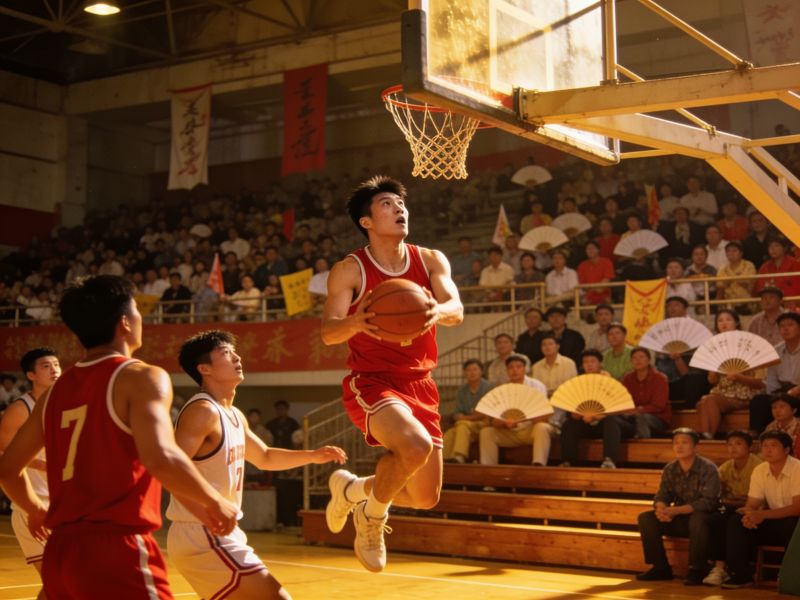
and standout domestic players gave local fans figures they could identify with. Sun Jun, associated with the Jilin basketball tradition, became a symbol of regional pride and offensive freedom. His scoring record appeared in conversations about what a Chinese guard could accomplish without relying on an imported star to define the game. The phrase Sun Jun 70 points now functions almost like shorthand for that era: crowded arenas, fast possessions, handwritten statistics and a scorer who could turn a routine league fixture into an event. There was an unfiltered quality to those performances. Fans did not need complicated analytics to understand the drama;every successful jumper raised the noise, and every defensive adjustment created another test for the leading scorer.Modern comparisons can be misleading. Today’s elite players benefit from specialized training。detailed opponent reports, spacing designed around three-point shooting and recovery programs that were not widely available in Sun Jun’s prime. At the same time, contemporary defenses are more organized, which makes a historic total difficult to evaluate through raw numbers alone. The importance of Sun Jun 70 points lies in its context as much as its final tally. It showed how one player could control tempo, shot selection and emotional momentum for an entire evening. Clips of the performance are not as widely available as footage from later CBA stars, so much of its legend has been preserved through newspaper reports, fan recollections and statistical references. That limited visual record gives Sun Jun 70 points an unusual quality: the event feels both documented and half-remembered.
Years later。the search for Sun Jun 70 points keeps resurfacing because the performance answers a question that statistics cannot fully settle: who shaped the character of early Chinese professional basketball?Sun Jun’s 70-point game offers one persuasive answer. It reflects a period when domestic stars were not merely supporting figures but the central attraction, trusted to decide games through skill and nerve. Younger fans may approach the story through a search engine, while older followers recall the score as a personal memory from the league’s formative years. The enduring appeal of Sun Jun 70 points is not only that 70 is a large number. It is that the figure represents ambition before the league had fully defined its limits, and a player willing to test those limits possession after possession.